Adaptive Reuse: Transforming Historic Warehouses into Modern Workspaces
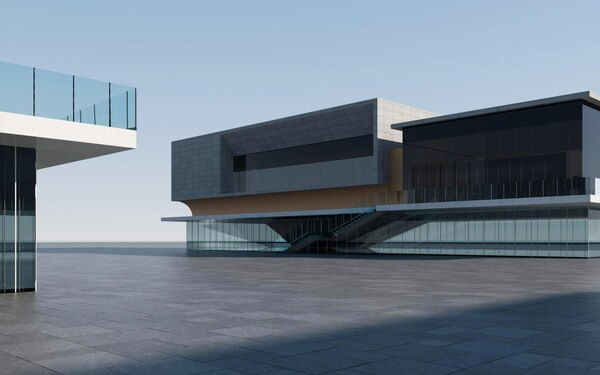
Adaptive reuse has become a powerful strategy for cities seeking to preserve their architectural heritage while meeting contemporary needs. Among the most compelling examples is the transformation of historic warehouses into modern workspaces. These structures—once hubs of industry, storage, and logistics—are now being reimagined as offices, studios, and co-working environments that blend historic character with contemporary functionality.
At its core, adaptive reuse is about extending the life of buildings by changing their use rather than demolishing and rebuilding. Warehouses are especially well-suited to this approach. Their robust construction, generous floorplates, high ceilings, and large windows provide an inherently flexible canvas for 21st-century work environments. Instead of erasing industrial pasts, designers and developers are finding ways to highlight them, creating spaces that feel both authentic and future-ready.
One of the main drivers behind warehouse-to-workspace conversions is sustainability. Reusing an existing building typically has a significantly lower carbon footprint than ground-up construction, because the “embodied carbon” in foundations, structure, and masonry is preserved rather than discarded. Adaptive reuse also reduces construction waste and the environmental impacts associated with new materials. In a context where companies and cities are setting aggressive climate goals, the choice to transform rather than replace can be a strategic contribution to broader sustainability targets.
Economics plays a major role as well. Converting warehouses can be more cost-effective than acquiring and developing new sites, especially in dense urban cores where land values are high and new construction may face height, massing, or zoning constraints. Moreover, the distinctive character of historic industrial buildings often commands a premium in the office market. Tenants increasingly look for workplaces that support brand identity and employee experience, and a thoughtfully restored warehouse—with exposed brick, original timber beams, and expansive open plans—can provide a competitive advantage in attracting and retaining talent.
From a cultural standpoint, adaptive reuse of warehouses anchors new development in local history. Many of these structures are linked to the industrial narratives that shaped a city’s growth: ports, rail hubs, manufacturing districts, or wholesale markets. By retaining and repurposing them, communities preserve visible reminders of those histories rather than replacing them with anonymous glass towers. This continuity strengthens a sense of place, making neighborhoods more distinctive and legible. For workers, occupying a space with a story can enhance everyday experience, turning an office into something closer to a civic landmark.
Designing modern workspaces within historic envelopes, however, requires navigating complex challenges. Structurally, older warehouses were not always designed for the loading patterns and mechanical systems associated with office uses, particularly for heavy technology, archives, or rooftop amenities. Engineers must assess existing foundations, columns, and floor systems, reinforcing them where necessary while minimizing interventions that compromise historic fabric. Fire safety, seismic upgrades, and accessibility can also require substantial modifications, from new stair cores and elevators to strengthened lateral systems.
Integrating contemporary building services is another central task. Office users expect sophisticated HVAC systems, abundant power and data infrastructure, high acoustic performance, and controllable lighting. Many warehouses were originally designed for natural ventilation and minimal services. Designers must therefore thread ducts, conduits, and cabling through heavy masonry or timber structures in ways that remain legible and maintain headroom. In some projects, mechanical systems are expressed deliberately, adding a layer of industrial-tech aesthetic that resonates with the building’s origins.
Daylight and spatial organization present both opportunities and constraints. Warehouses often feature deep floorplates that can challenge natural light penetration. To address this, architects might introduce new atria, internal courtyards, light wells, or enlarged window openings—carefully balanced against historic preservation guidelines. Open-plan layouts typically work well with warehouse proportions, but contemporary workstyles call for a mix of focus rooms, collaborative areas, and social spaces. The design process involves choreographing zones for quiet work, meetings, informal gatherings, and circulation without fragmenting the clarity of the original volume.
In many jurisdictions, planning and heritage regulations significantly shape how adaptive reuse projects proceed. Buildings may be listed or located within conservation districts, requiring consultation with preservation authorities and adherence to strict guidelines on façade changes, window replacements, and additions. At the same time, zoning codes might limit changes in use, parking provisions, or density. Successful projects often arise from close collaboration among developers, preservationists, city planners, and community stakeholders who share a commitment to balancing protection with innovation.
The outcomes can be transformative on a neighborhood scale. Clusters of converted warehouses—often part of former docklands, manufacturing corridors, or rail yards—have been catalysts for the regeneration of underused urban districts. As creative agencies, start-ups, and established firms move into these spaces, they bring daytime populations that support cafés, restaurants, and retail. Streets that were once dominated by trucks and loading docks evolve into walkable, mixed-use environments. Adaptive reuse thus works not just at the scale of the building, but as a tool of urban revitalization.
The interior experience of these spaces also aligns with evolving ideas about work. Contemporary office design increasingly prioritizes adaptability, well-being, and a connection to the environment. Exposed structural systems and honest materials offer visual richness and a tactile quality that many sterile office towers lack. Large windows and lofty spaces contribute to better daylight access and airiness. Outdoor terraces carved from former loading docks or added on rooftops provide places for breaks and informal meetings, supporting employee wellness and more flexible, activity-based working patterns.
From a branding perspective, companies occupying converted warehouses can position themselves at the intersection of heritage and innovation. The juxtaposition of old and new—historic brick next to minimalist glass partitions, original trusses alongside high-tech installations—offers a visual metaphor for businesses focused on transformation, technology, and creativity. Co-working operators have capitalized on this, using characterful buildings to create distinct identities in an increasingly competitive market for flexible workspaces.
Despite their advantages, warehouse conversions are not universally applicable or problem-free. Not every historic structure can accommodate the requisite structural upgrades or meet modern performance standards without disproportionate interventions. Some sites may be contaminated or located in flood-prone or infrastructurally disadvantaged areas. Cost overruns are common when hidden conditions emerge during construction. Additionally, the success of such projects can contribute to gentrification, raising property values and potentially displacing existing communities or industrial uses.
Responsible adaptive reuse must therefore engage with social as well as architectural questions. Strategies might include reserving portions of projects for community-serving uses, integrating affordable workspaces or cultural facilities, or supporting local employment during construction and operation. Transparent dialogues with neighbors and city agencies can help ensure that the benefits of revitalization are broadly shared rather than narrowly captured.
Looking ahead, the adaptive reuse of warehouses as modern workplaces is likely to remain a central theme in urban development, particularly as cities grapple with post-pandemic shifts in office demand. With some central business districts facing high vacancies in conventional office towers and growing interest in hybrid and flexible work models, distinctive, experience-rich workplaces may hold a relative advantage. Historic warehouses, with their inherent character and spatial generosity, are well positioned to meet that demand when thoughtfully transformed.
Technological advances will further shape how these projects evolve. High-performance glazing, discreet structural reinforcement systems, energy-efficient HVAC strategies, and smart building technologies all help bridge the gap between old shells and new performance expectations. At the same time, evolving preservation philosophies increasingly recognize that maintaining the vitality of historic buildings sometimes requires bold interventions, not mere conservation as static artifacts.
Ultimately, the adaptive reuse of historic warehouses into modern workspaces reflects a broader shift in how we value the built environment. Rather than treating aging industrial structures as obsolete remnants, architects, developers, and cities are seeing them as assets—repositories of memory, material, and potential. Through careful design and strategic investment, these buildings can accommodate new patterns of work, support urban sustainability, and keep the layers of history visible in the everyday fabric of contemporary life.