Biophilic Design in Urban High-Rises: Bringing Nature into the Skyline
Biophilic design is reshaping how we think about tall buildings, turning glass-and-steel towers into living environments that nurture human well-being. In dense cities where ground-level green space is limited and people spend most of their time indoors, embedding nature directly into high-rises is no longer a luxury; it’s a critical strategy for healthier, more resilient urban life.
At its core, biophilic design is about strengthening the human connection to nature through the built environment. In high-rise contexts, that means much more than adding a few potted plants to a lobby. It involves a holistic approach that weaves natural elements, patterns, and processes into the architecture, interior spaces, and everyday experiences of building occupants.
One of the primary goals is to counteract the health and psychological stresses of high-density urban living. Chronic exposure to noise, pollution, artificial lighting, and confined interiors contributes to fatigue, anxiety, and reduced cognitive performance. Evidence from environmental psychology and neuroscience shows that even modest doses of nature—views of greenery, access to daylight, or the sound of water—can lower blood pressure, reduce stress hormones, and improve attention and mood. High-rises, with their large populations and long occupied hours, offer enormous leverage: small design shifts can impact thousands of daily lives within a single building.
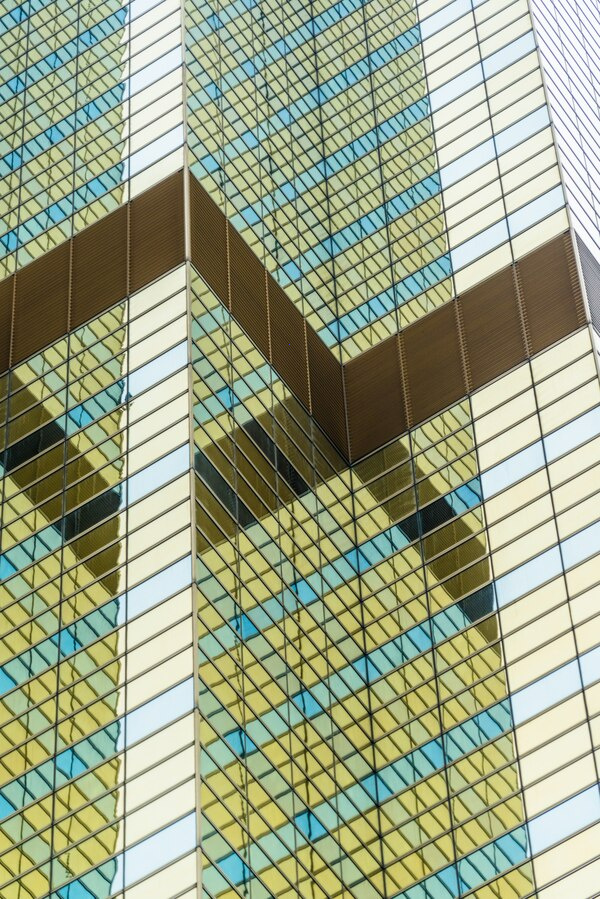
A key strategy is creating vertical landscapes. Green roofs, sky gardens, planted terraces, and vegetated facades bring nature into the skyline itself. Instead of isolating greenery at ground level, landscape becomes a three-dimensional system threaded through the tower. Sky lobbies with mature trees, stepped terraces with shrubs and grasses, and double- or triple-height winter gardens all act as elevated parks, giving residents and workers restorative places within easy reach of their desks or apartments. These vegetated zones also create microclimates, filtering air, providing shade, and buffering wind—important benefits at altitude.
Facades are another powerful canvas. Living walls and green facades can soften hard building edges, mitigate heat gain, and filter particulate pollution. The choice of plant species and support systems must respond to orientation, wind loads, and maintenance constraints, particularly at higher floors where exposure is extreme. Hybrid systems that combine planters, climbing plants, and modular panels can provide visual richness and biodiversity while keeping weight and irrigation manageable. Integrated facade vegetation can also support urban wildlife, offering habitats for birds and pollinators even hundreds of meters above the street.
Biophilic design in high-rises goes beyond visible greenery. Natural light, views, and materials are equally important. Maximizing daylight penetration through slender floor plates, atria, light wells, and high-performance glazing can significantly reduce reliance on artificial lighting and support healthy circadian rhythms. Strategic placement of communal spaces at building corners or near facade breaks ensures that more people enjoy long-range views of sky, water, or city parks, which can be as psychologically restorative as direct contact with plants.
Materials and textures contribute at the human scale. Wood, stone, natural fibers, and finishes that reveal grain, variation, and tactility can make interiors feel warmer and more grounded. Even in fire-regulated high-rise cores, engineered timber, wood veneers, and biobased composites can be used in lobbies, offices, and residential interiors to create a sense of natural authenticity. Patterns inspired by nature—fractals, gentle curves, gradients—can be integrated in ceilings, flooring, and partitions, providing visual complexity without clutter.
Water and air are central to perceived environmental quality. Indoor water features, such as reflecting pools or cascading walls in controlled areas, can introduce calming sounds and subtle humidity, especially in otherwise dry, sealed environments. Natural ventilation in tall buildings is challenging but not impossible; operable windows, ventilated double skins, and mixed-mode systems can allow at least partial access to outdoor air on suitable days. Where mechanical systems dominate, careful attention to air quality, filtration, and airflow patterns, paired with visible greenery, can create a fresher, more outdoor-like experience.
High-rises also have an opportunity to support ecological performance at the city scale. Extensive and intensive green roofs reduce stormwater runoff, contribute to urban heat island mitigation, and offer habitats for insects and birds. When stacked vertically and interconnected, terraces and sky gardens can form continuous ecological corridors in the air. These systems can be combined with productive landscapes—edible gardens, rooftop orchards, or herb planters—which bring food production closer to residents and encourage social engagement. Even small-scale urban agriculture on balconies or communal terraces can shift perceptions of the building from a machine for living to a living system.
The social dimension of biophilic design is often overlooked but crucial. Nature-rich communal spaces—sky lounges surrounded by plants, outdoor terraces, shared winter gardens, and green corridors between floors—promote informal encounters and a sense of community. In residential towers, children gain safe access to outdoor play areas without leaving the building; in office towers, workers can step into planted courtyards for quick restorative breaks. Programming these spaces with seating, work tables, and flexible layouts ensures they are used throughout the day, making nature an integrated part of daily routines rather than a backdrop.
Digital technologies can support and refine biophilic strategies. Sensors and building management systems can optimize irrigation, lighting for plant growth, and microclimate control in sky gardens, reducing maintenance burdens. Artificial lighting tuned to plant needs can allow interior landscapes in deep floor plates to thrive where daylight is limited. Smart shading systems can balance exposure to sun for both plants and people, maintaining visual comfort while preserving connections to the sky and outdoor views.
Despite its promise, biophilic design in tall buildings faces real challenges. Structural capacity must accommodate soil, vegetation, and water loads on multiple levels. Wind forces and exposure demand careful plant and system selection. Fire safety, access for maintenance at height, and long-term operational costs require planning from the outset. There is also a risk of superficial “greenwashing” where token greenery is added without addressing the underlying spatial, climatic, or social needs of occupants.
Overcoming these challenges depends on early, integrated collaboration between architects, landscape architects, engineers, ecologists, and building operators. Design decisions about massing, structural grids, and mechanical systems must anticipate landscape integration rather than treating it as décor. Clear maintenance strategies, resilient plant palettes suited to local climate extremes, and flexible spaces that can adapt as uses change all increase the likelihood that green features will remain healthy and valuable over the building’s lifespan.
The economic case for biophilic high-rises is strengthening. Enhanced occupant well-being and productivity, higher property values and occupancy rates, and alignment with ESG metrics and green building certifications all create tangible returns. Tenants increasingly seek healthy, nature-rich workplaces and homes; in competitive urban markets, towers that visibly integrate greenery can stand out both symbolically and functionally. At the city scale, clusters of biophilic high-rises can complement ground-level parks, forming a multi-layered green infrastructure network in the vertical dimension.
Ultimately, bringing nature into the skyline challenges a long-standing separation between dense urbanism and ecological experience. Biophilic design in high-rises suggests a future where tall buildings do not merely rise above the city’s natural systems but actively participate in them: filtering air, moderating climate, supporting biodiversity, and nurturing human health. As more cities grow upward rather than outward, the question is no longer whether we can afford to integrate nature into our towers, but whether we can afford not to.