Net-Zero Office Campuses: Strategies for Sustainable Corporate Architecture
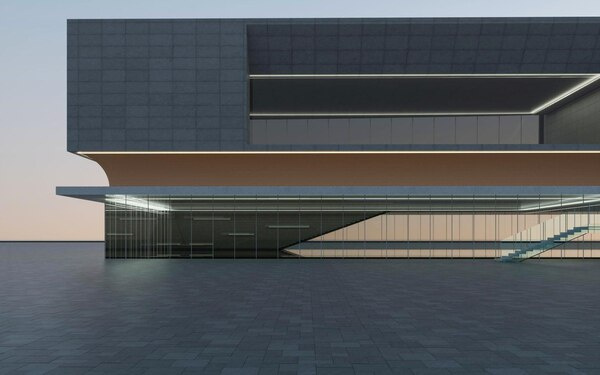
Net-zero office campuses are rapidly shifting from visionary prototypes to an emerging norm in corporate real estate. For companies under pressure from regulators, investors, and employees to decarbonize, the built environment is a crucial leverage point: buildings account for nearly 40% of global energy-related CO₂ emissions when operational and embodied carbon are combined. The net-zero campus, therefore, is not only an environmental statement but a strategic asset—reducing long-term costs, mitigating risk, and reinforcing brand credibility.
This article outlines key strategies for planning, designing, building, and operating net-zero office campuses, with a focus on practical implementation rather than aspirational concepts.
1. Defining Net-Zero for Corporate Campuses
Before planning, organizations need a clear definition and boundary for “net-zero”:
- Net-zero operational carbon: Annual building operations (heating, cooling, lighting, equipment) result in zero net carbon emissions, typically through efficiency plus on- and off-site renewables.
- Net-zero whole life carbon: Includes both operational emissions and embodied carbon (from materials, construction, maintenance, renovation, and end-of-life).
- Campus boundary: Decide whether net-zero applies to an individual building, a cluster of buildings, or a wider corporate estate interconnected via energy and data systems.
For most organizations, a phased trajectory makes sense:
- Achieve net-zero operational carbon for new and majorly renovated campuses by a target date.
- Progressively reduce embodied carbon toward net-zero whole life carbon.
Adopting recognized frameworks, such as the World Green Building Council’s Net Zero Carbon Buildings framework or Science Based Targets initiative (SBTi) for corporate climate targets, brings methodological rigor and comparability.
2. Masterplanning a Net-Zero Campus
The path to net-zero starts at the masterplan level, where long-term energy, mobility, landscape, and phasing decisions are locked in.
2.1 Site Selection and Orientation
- Transit-accessible locations: Choosing sites with strong public transport and active mobility connections can dramatically cut commuting-related emissions (often larger than operational building emissions).
- Passive design potential: Favor sites that allow:
- Optimal solar orientation (long façades facing north–south in many climates),
- Minimal overshadowing from neighboring buildings,
- Space for roof and/or ground-mounted photovoltaics.
- Microclimate advantages: Leverage existing vegetation, natural wind corridors, and topography to reduce heating and cooling loads.
2.2 Compactness vs. Flexibility
- Higher density, lower footprint: Compact building forms reduce heat loss and distribution inefficiencies.
- Modular campus growth: Design a modular masterplan where buildings and energy systems (e.g., central plants, battery storage) can expand or adapt over time without major demolition.
2.3 Urban Integration
- Integrate with district energy systems where available (district heating/cooling, waste heat recovery).
- Share resources (parking, logistics centers, energy storage) with neighboring developments for economies of scale and resilience.
- Embed ground-floor public or semi-public functions (cafés, services, co-working) to create mixed-use vibrancy and reduce trip generation.
3. Designing Ultra-Efficient Building Envelopes
Energy demand reduction is the core of any net-zero strategy. The envelope is the first line of defense.
3.1 High-Performance Fabric
- Insulation: Use high R‑value or low U‑value assemblies beyond minimum code, tailored to climate. Thermal bridge-free construction is essential.
- Airtightness: Target advanced airtightness (e.g., ≤0.6–1.0 ACH@50Pa), combining robust detailing, on-site testing (blower door tests), and quality control.
- High-performance glazing:
- Triple glazing in cold and temperate climates where feasible.
- Low-E coatings and selective solar control tailored to orientation.
- Optimized window-to-wall ratios to balance daylight against heat gain/loss.
3.2 Passive Strategies
- Solar control: External shading (brise-soleil, fins, overhangs) reduces cooling loads much more effectively than internal blinds.
- Thermal mass: Exposed slabs and structural elements can moderate indoor temperature swings when combined with night purging ventilation.
- Daylighting:
- Deeper floorplates supported by light shelves, atria, and clerestories.
- Dynamic shading and daylight-responsive lighting controls.
3.3 Adaptive Façades and Smart Glazing
- Dynamic façades that adjust shading, ventilation openings, or opacity in response to climate and occupancy data can reduce energy use while maintaining comfort.
- Electrochromic or thermochromic glazing: Trims cooling loads in climates with strong solar radiation, especially on west/east façades.
4. High-Efficiency Systems and All-Electric Infrastructure
Reaching net-zero almost universally implies an all-electric campus coupled with maximum efficiency.
4.1 HVAC Systems for Net-Zero
- Heat pumps as the default:
- Air-to-water or water-source heat pumps for heating and cooling.
- Ground-source or geo-exchange systems for superior efficiency where feasible.
- Low-temperature distribution:
- Low-temperature hot water and higher-temperature chilled water improve heat pump coefficients of performance (COP).
- Radiant systems (ceiling, floor) and chilled beams enhance comfort and efficiency.
- Demand-controlled ventilation:
- CO₂, VOC, and occupancy-based controls to minimize unnecessary fresh air volumes.
- Energy recovery ventilators (ERV/HRV) to reclaim waste heat and moisture.
4.2 Integrated Building Services
- DC microgrids and power distribution:
- Consider DC backbones for LED lighting, IT, and electronics to reduce conversion losses and integrate better with PV and battery systems.
- Smart zoning:
- Fine-grained thermal and lighting zones; open offices paired with quiet focus rooms to match diverse comfort needs without over-conditioning spaces.
- Plug load management:
- Smart plugs, load shedding for non-critical equipment, and policies (e.g., default laptop power settings) can reduce plug loads substantially.
4.3 Digital Building Twins and Analytics
- Develop a digital twin for each building and the campus as a whole:
- Simulate energy performance, comfort metrics, and fault detection.
- Optimize control strategies (setpoints, schedules, sequencing) in near real time.
- Employ continuous commissioning using sensor data and analytics to maintain performance and avoid drift over time.
5. On-Site Renewable Energy and Storage
Once loads are minimized, on-site generation covers as much of the remaining demand as possible.
5.1 Solar Photovoltaics as the Primary Workhorse
- Rooftop PV:
- Maximize coverage while considering equipment zones and maintenance access.
- Optimize tilt and orientation per local solar geometry and snow/wind factors.
- Façade-integrated PV (BIPV):
- Vertical or slightly inclined PV on suitable façades, particularly south in northern hemisphere or north in southern hemisphere.
- Use spandrel and opaque sections for integrated PV elements that double as cladding.
- Solar canopies:
- Over parking lots and walkways, offering both generation and shading.
- Pair with EV charging infrastructure to directly support low-carbon commuting.
5.2 Other Renewable Sources
- Solar thermal for domestic hot water where demand profiles and climate conditions justify it.
- Geothermal/geo-exchange: Technically not a “generation” source but dramatically boosts heat pump efficiency.
- Wind:
- Typically more relevant at campus/district scale in favorable regions.
- Micro-wind on buildings is rarely efficient but, in some contexts, can contribute marginally or serve educational/demonstration roles.
5.3 Energy Storage and Load Management
- Battery storage:
- Smooths PV intermittency, supports peak shaving, and improves resilience.
- Combined with smart controls for time-of-use tariff optimization.
- Thermal storage:
- Chilled water or phase change materials to shift cooling loads to off-peak hours.
- Underground thermal energy storage (UTES) linked to geo-exchange systems for seasonal shifting.
- Implement demand response strategies:
- Dynamic adjustment of HVAC setpoints and non-critical loads in response to grid signals.
- Participation in local capacity markets where allowed, monetizing flexibility.
6. Tackling Embodied Carbon and Circular Materials
Operational carbon is only part of the story. For many high-performance buildings, embodied emissions can dominate.
6.1 Low-Carbon Structural Systems
- Timber/hybrid structures:
- Mass timber (CLT, glulam) and hybrid timber-concrete systems can substantially reduce embodied carbon while supporting rapid construction.
- Optimized concrete and steel:
- Low-clinker cements, supplementary cementitious materials (SCM), and high-recycled-content steel.
- Structural optimization and efficient spans to minimize material volumes.
6.2 Material Selection and Transparency
- Use Environmental Product Declarations (EPDs) to evaluate product-level carbon footprints.
- Favor:
- Recycled and rapidly renewable materials,
- Modular components that can be disassembled, reused, or recycled,
- Non-toxic, low-VOC finishes to support health as well as sustainability.
6.3 Design for Adaptability and Deconstruction
- Flexible floorplates and service distribution support changing workplace models (e.g., hybrid work, space densification) without major fit-out overhauls.
- Design for disassembly:
- Mechanical fixings instead of permanent adhesives.
- Clear material separation for future recycling and reuse.
Embedding circular economy principles reduces the need for carbon-intensive refits and supports longer asset life, lowering total life-cycle emissions.
7. Mobility, Access, and Low-Carbon Commuting
A corporate campus can be net-zero operationally while still contributing large emissions through employee travel. Integrating mobility strategies is therefore crucial.
7.1 Transit-Oriented Design
- Prioritize proximity and high-quality links to:
- Rail, metro, or bus rapid transit.
- Safe pedestrian paths and cycling networks.
- Reduce parking ratios and repurpose some parking land for green spaces or future building expansion as modal split shifts.
7.2 Active and Shared Mobility
- End-of-trip facilities: Secure bike parking, showers, lockers.
- Support micro-mobility (e-scooters, shared bikes) with dedicated infrastructure and charging points.
- Implement shared shuttle services from major transit nodes.
7.3 EV Infrastructure and Fleet Strategy
- Provide smart, managed EV charging:
- Priority for pool cars, logistics vehicles, and car-share services.
- Load management integrated with PV production and storage.
- Transition corporate fleets to electric or low-carbon alternatives, aligned with campus energy strategies.
8. Water, Landscape, and Ecosystem Integration
Net-zero campuses benefit from integrated water and green infrastructure that supports both resilience and well-being.
8.1 Water Efficiency and Reuse
- High-efficiency fixtures and sub-metering of water uses.
- Rainwater harvesting:
- Irrigation supply for native or adaptive landscaping.
- Non-potable uses (toilets, cooling towers) where regulations permit.
- Greywater systems:
- Reuse of lightly contaminated water for flushing and irrigation.
8.2 Climate-Responsive Landscape Design
- Native and climate-adapted planting reduces irrigation demand and supports biodiversity.
- Green roofs and walls:
- Enhance insulation, reduce heat island effect, and create habitat.
- Improve stormwater management by slowing runoff.
8.3 Resilience to Climate Impacts
- Design for future climate scenarios (higher temperatures, extreme rainfall, flooding).
- Elevate critical infrastructure, provide passive survivability (operable windows, natural ventilation, thermal comfort without full mechanical systems) for outages and extreme events.
9. Occupant Experience, Health, and Culture
Net-zero campuses must function as desirable workplaces, not just technical showcases. Human factors significantly influence both energy performance and organizational outcomes.
9.1 Indoor Environmental Quality (IEQ)
- Superior air quality, thermal comfort, acoustic control, and access to daylight and views.
- Monitoring IEQ parameters and making them visible to occupants builds trust and engagement.
9.2 Behavioral and Organizational Strategies
- Clear energy etiquette: guidelines for equipment use, window operation, space booking, and after-hours occupancy.
- Real-time feedback:
- Dashboards in common areas, personal apps, or workstation-level cues linking user behavior with energy impacts.
- Incentives for low-carbon commuting and participation in sustainability initiatives.
9.3 Hybrid Work and Space Utilization
- Hybrid and flexible work models can reduce required floor area per employee if properly managed.
- Implement activity-based working and shared desks with booking systems to right-size the campus and avoid underutilized spaces.
10. Governance, Certification, and Verification
Delivering a net-zero campus requires strong governance from concept to operation.
10.1 Integrated Project Delivery
- Involve stakeholders early:
- Architects, engineers, contractors, facility managers, IT, HR, and sustainability leads.
- Use performance-based briefs:
- Define measurable energy and carbon targets (kWh/m²·year, kgCO₂e/m²) rather than prescriptive solutions.
- Align contracts and incentives with long-term performance, not only capital cost and schedule.
10.2 Third-Party Standards and Certifications
- Employ building and campus certifications to structure goals and verify outcomes:
- Energy and carbon: Passive House, LEED Zero, BREEAM, DGNB, Zero Carbon Building Standard.
- Health and well-being: WELL, Fitwel.
- Campus and infrastructure scale: LEED for Cities and Communities, EcoDistricts, or national equivalents.
10.3 Measurement, Reporting, and Continuous Improvement
- Commission independent Measurement & Verification (M&V) to validate net-zero claims.
- Report performance publicly in sustainability reports, CDP responses, or green bond disclosures.
- Use post-occupancy evaluations (POE) to capture occupant experience and identify operational refinements.
11. Financial and Strategic Considerations
Net-zero office campuses must be justified on financial as well as environmental grounds.
11.1 Capex vs. Opex and Life-Cycle Costing
- Although some net-zero features increase upfront costs, life-cycle costing often shows positive net present value due to:
- Lower energy and water bills,
- Reduced carbon pricing/penalties,
- Lower risk of obsolescence as regulations tighten.
- Embedding carbon pricing internally helps prioritize low-carbon solutions in investment decisions.
11.2 Value Creation and Risk Mitigation
- Reduced exposure to volatile fossil energy prices.
- Higher asset resilience and lower stranded asset risk as building codes and investor expectations evolve.
- Enhanced talent attraction and retention, responding to employee preference for climate-conscious employers.
- Eligibility for green finance instruments (green bonds, sustainability-linked loans).
12. Implementation Roadmap for Corporations
For organizations aiming to transition their portfolios to net-zero campuses, a structured roadmap is essential:
- Set science-based targets for operational and embodied carbon.
- Audit existing portfolio to identify priority sites for deep retrofits vs. replacement.
- Develop net-zero design standards:
- Standardized performance specifications,
- Preferred technologies and materials,
- Governance and reporting frameworks.
- Pilot projects:
- Start with one or two flagship campuses to refine the approach.
- Document lessons learned and update standards.
- Scale and replicate:
- Roll out across regions with adaptations for local climate, grid carbon intensity, and regulations.
- Engage external partners:
- Utilities, technology providers, public agencies, and neighboring developments for shared infrastructure and innovative business models (e.g., power purchase agreements, energy-as-a-service).
Net-zero office campuses sit at the intersection of architecture, engineering, technology, and organizational culture. They require a holistic approach: reducing demand through smart design, decarbonizing supply via clean energy, minimizing embodied carbon through thoughtful material choices, and aligning human behavior with building intelligence.
For corporations, the journey to net-zero campuses is not simply a compliance exercise—it is an opportunity to reinvent the workplace as a low-carbon, resilient, and inspiring environment that reflects and reinforces a credible sustainability strategy.